
Why Can't I Orgasm Anymore? What Your Pelvic Floor Has to Do With It
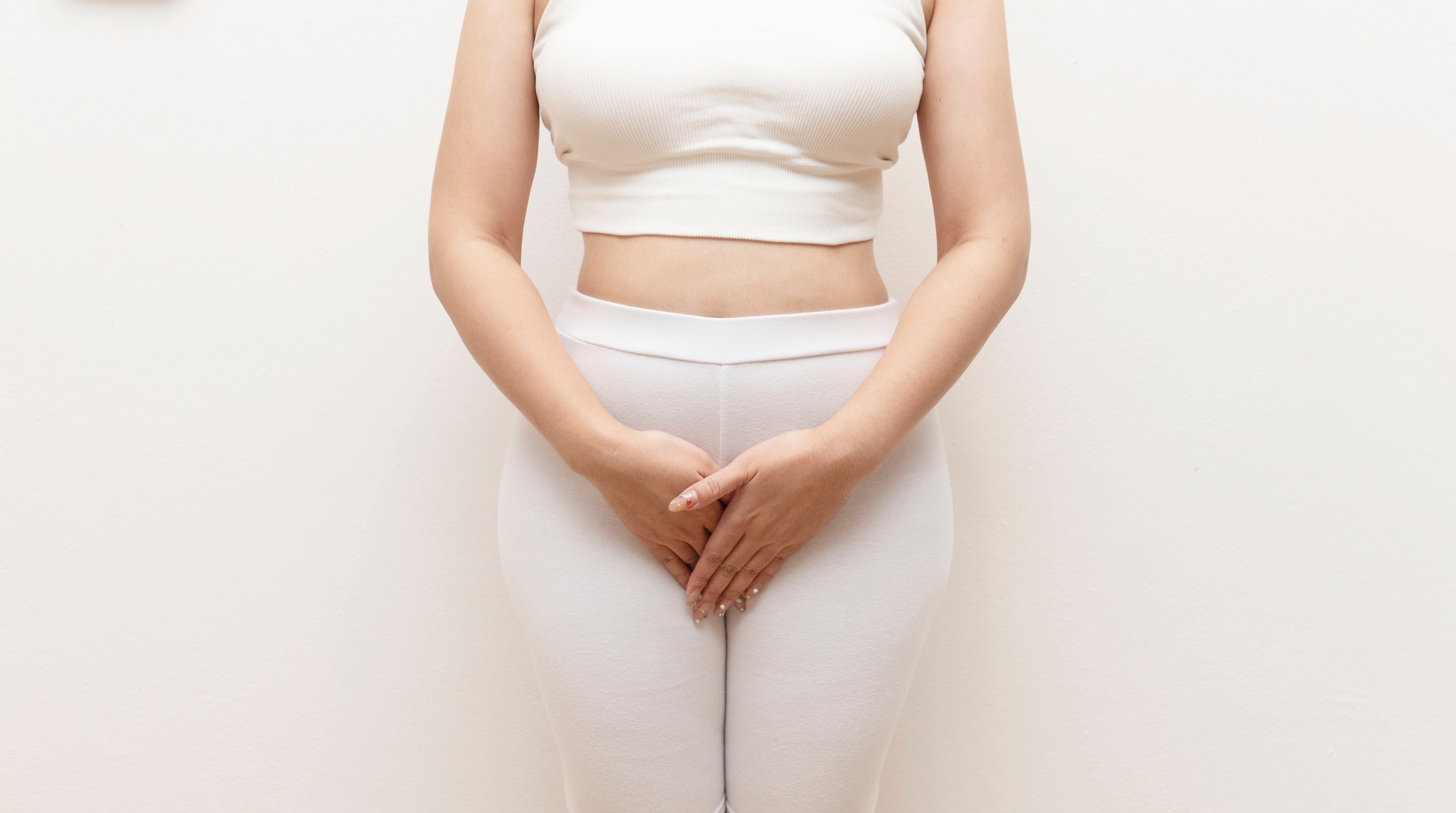
There's a conversation happening in a lot of exam rooms, therapy offices, and bedrooms that almost never makes it to a doctor's appointment. A woman notices that orgasm has become harder to reach or impossible without a vibrator and instead of bringing it up, she quietly concludes that something is just… off with her. That this is what getting older feels like. That she's broken, or too stressed, or not attracted to her partner anymore.
She's not broken. And it's not all in her head.
What she's experiencing has a name, anorgasmia, and more often than not, her pelvic floor is part of the story.
What Is Anorgasmia?
Anorgasmia is the persistent difficulty or inability to reach orgasm despite adequate stimulation. It can show up in different ways:
- Unable to orgasm at all
- Can only orgasm with a vibrator, but not during partnered sex or manual stimulation
- Orgasms that used to come easily now feel muted, delayed, or out of reach
- Orgasm is possible but feels disconnected from pleasure, like it "happened" without really feeling it
All of these are worth paying attention to. And none of them are a character flaw or a sign that something is permanently wrong.
Your Pelvic Floor Is More Involved Than You Think
Most people think of the pelvic floor in terms of bladder leaks and Kegels. But those muscles, the hammock-like group that runs from your pubic bone to your tailbone, are deeply involved in sexual function, arousal, and orgasm.
Here's why: orgasm is a neuromuscular event. It requires adequate blood flow to the genitals, healthy nerve sensitivity, and a pelvic floor that can rhythmically contract and release. When any part of that system is disrupted, orgasm becomes harder to reach or the sensation diminishes significantly.
Some of the most common pelvic floor contributors to anorgasmia include:
Hypertonic (too-tight) pelvic floor muscles. When the pelvic floor is chronically tense, which is incredibly common, especially in women who carry stress in their body, have a history of trauma, or are high-achieving and high-output, those muscles lose their ability to fully engage and release. Orgasm requires that rhythmic contraction. If the muscles are already braced, there's nowhere left to go.
Reduced blood flow and nerve sensitivity. Tension in the pelvic floor can compress the pudendal nerve and restrict circulation to the clitoris and surrounding tissue. Less blood flow means less sensitivity. Less sensitivity means stimulation that used to work… doesn't.
Connective tissue restrictions. Scar tissue from surgeries (including C-sections, episiotomies, or laparoscopic procedures), hormonal changes, or chronic tension can affect how the tissue moves and responds. This can create a physical barrier to sensation even when everything on the surface looks fine.
Coordination and motor control issues. Some women have a pelvic floor that simply isn't communicating well with the rest of the body. The muscles may be weak, or poorly coordinated, even if they don't feel "tight." This affects the ability to build toward and sustain the muscular engagement required for orgasm.
The Vibrator Signal
Here's something worth naming directly: if you can only orgasm with a vibrator but not through other forms of stimulation, that's clinically significant information, not just a preference.
Vibrators work partly because they deliver intense, consistent stimulation that bypasses some of the sensitivity deficits caused by pelvic floor tension or reduced circulation. They're essentially compensating for a system that isn't firing the way it should.
This doesn't mean vibrators are a problem. They're a useful tool. But if you've noticed that you need one when you didn't before, or that nothing else gets you there, your body is telling you something worth listening to.
What Else Could Be Contributing?
The pelvic floor doesn't operate in a vacuum, and neither does sexual function. A thorough evaluation looks at the whole picture, including:
Hormonal changes. Estrogen and testosterone both play a role in arousal and genital sensitivity. Postpartum shifts, perimenopause, hormonal birth control, and thyroid dysfunction can all impact sexual response. If you're on Synthroid or navigating any hormonal shifts, this is worth discussing with both your provider and your pelvic PT.
The nervous system and trauma history. The body holds stress and relational history in real, physical ways. A nervous system that learned to brace whether from chronic stress, a difficult relationship, or past trauma will protect itself during intimacy. This isn't a psychological failing. It's physiology. And it's treatable.
Hip and spinal mechanics. The pelvic floor connects directly to the hips, glutes, and lumbar spine. Hip tension, particularly patterns that show up with prolonged positioning or repetitive activity, can pull on the pelvic floor and contribute to the same tension that disrupts sexual function. If you're noticing hip tightness alongside changes in orgasm, those two things may be more connected than they seem.
Sleep, nutrition, and nervous system load. These aren't "soft" factors. Chronic fatigue and inadequate recovery time directly affect the hormonal and neurovascular systems that support arousal. Optimizing the basics matters more than most people realize.
What Pelvic Floor PT Actually Does for This
A pelvic floor physical therapist who works in sexual health will do a comprehensive evaluation not just of the pelvic floor muscles internally, but of the whole system: hip mobility, spinal mechanics, breath patterns, nerve sensitivity, scar tissue, and how you hold tension in your body.
From there, treatment might include:
- Manual therapy to release pelvic floor tension and improve tissue mobility
- Nerve mobilization techniques to restore sensitivity along the pudendal nerve pathway
- Breathing and nervous system regulation work to shift out of chronic protective bracing
- Scar tissue treatment if there's a history of surgical or birth-related scarring
- Coordination and motor control training not just Kegels, but the full contract-and-release pattern that orgasm actually requires
- Guidance on home tools and practices that support recovery between sessions
This is not a quick fix. But it is a real, evidence-informed path forward and for many women, it's the first time anyone has ever actually examined what's going on rather than telling them to relax, use more lube, or see a therapist.
(To be clear: therapy is often a meaningful part of this picture too. But it's rarely the only part.)
You Deserve More Than "That's Just How It Is"
Anorgasmia is one of the most underreported and undertreated symptoms in women's health not because it can't be addressed, but because the healthcare system rarely has the time, training, or framework to take it seriously.
If you've been told your labs are normal, your anatomy looks fine, and this must be stress and yet something still feels off, you haven't gotten the full picture yet.
Your pelvic floor might be exactly what's been missing from the conversation.
Dr. Ashley Castellanos is a Doctor of Physical Therapy and the founder of Woven Pelvic Health & Wellness in Denver, CO. She specializes in pelvic floor dysfunction, sexual health, and whole-body women's wellness. If you're ready to start the conversation, book a free 15-minute consultation — no commitment, no pressure, just clarity.

You may also like:


Your transformation begins with a single step
Not sure pelvic floor therapy is right for you? Let’s Talk! This complimentary consultation allows us to discuss your concerns, answer your questions, and determine if we’re the right fit for your healing journey.
Not sure pelvic floor therapy is right for you? Let’s Talk! This complimentary consultation allows us to discuss your concerns, answer your questions, and determine if we’re the right fit for your healing journey.